Modern employees expect more from their employers than just standard health benefits. We have entered a new era of wellness defined by personalization, priority, and purpose. Driven largely by younger generations entering the workforce, wellness has transitioned from a fringe “perk” to a core business strategy. In 2026, forward-thinking organizations are expanding their support systems to encompass physical, emotional, social, and professional well-being.
Here are the five critical wellness trends shaping the workplace in 2026.
1. The Generational Shift: Gen Z and Millennials Redefine Wellness
As Millennials and Gen Z (born 1981–2012) now comprise the majority of the workforce, they are fundamentally altering wellness expectations. These generations prioritize holistic health, flexibility, and inclusivity.
For these generations, wellness is a daily commitment rather than an occasional treat. They account for over 41% of annual wellness spending and are increasingly investing in:
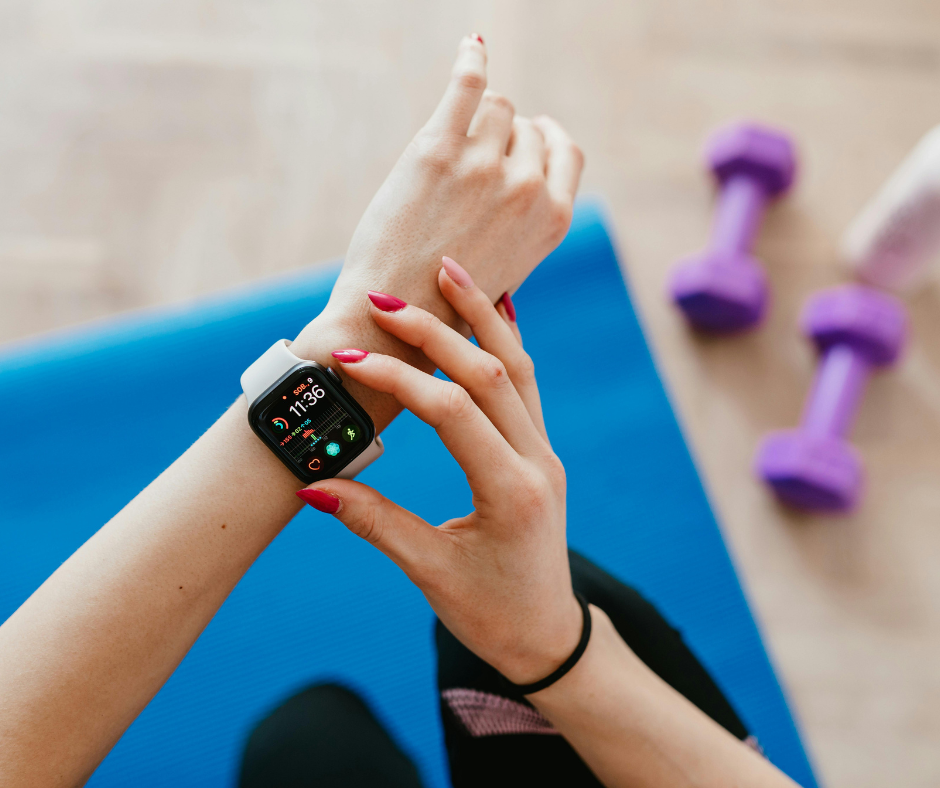
- Advanced Tech & Fitness: Wearables and specialized fitness regimens.
- Recovery & Nutrition: Massage tools, IV drips, gut health, and longevity-focused supplements.
- Holistic Healing: Somatic exercises (breathwork/mindfulness) and wellness retreats.
- Self-Care: Longevity-based skin/hair care.
2. From Mental Health to “Mental Fitness”
In 2026, the workplace dialogue has shifted from reactive mental health support to proactive mental fitness. Much like physical exercise builds the body, mental fitness builds resilience and emotional stability.
Employers are normalizing these conversations by:
- Introducing mental health coaching to develop coping strategies.
- Implementing “Mental Fitness Days” to recharge without stigma.
- Training managers to identify early signs of burnout before they escalate.
- Subsidizing mental health apps and expanding EAPs.
3. A Critical Focus on Women’s Health
Women’s health is no longer a niche benefit; it is integral to workforce stability. Driven by Gen X (born 1965–1980) advocating for perimenopause and menopause support, and younger generations seeking family-building resources, employers are stepping up.
Current high-demand benefits include:
- Fertility Support: Coverage for IVF, egg freezing, and preservation.
- Maternal Care: Expanded parental leave, doula services, and lactation support.
- Menopause Advocacy: Specialized virtual care, symptom management, and hormone therapy coverage to address the historic lack of training in primary care.
4. Cultivating Financial Resilience
Economic volatility has made financial wellness a primary pillar of the employee experience. With nearly 75% of Americans falling short of their 2025 savings goals, there is a renewed focus on building an emergency fund in 2026.
Organizations are addressing generational financial stressors—such as Gen Z’s cost-of-living struggles and Boomers’ concerns over unexpected expenses—by offering:
- Student loan repayment programs and debt counseling.
- Emergency savings accounts and flexible pay options.
- Comprehensive retirement planning and financial workshops.
5. The Rise of AI-Driven Hyper-Personalization
Artificial Intelligence is transforming wellness from a “one-size-fits-all” model to a hyper-personalized experience. By integrating biometric data from wearables, AI platforms can now create real-time, dynamic plans for nutrition, sleep, and stress management.
For employers, this means:
- Lower Costs: Predictive analytics can catch metabolic or stress issues early, preventing expensive chronic conditions.
- Higher Engagement: Employees are more likely to participate in programs that adapt to their specific physiological needs and behaviors.
Summary
Wellness in 2026 is a deeply personal journey that varies across generations. By evaluating and adopting these trends, employers have a unique opportunity to provide meaningful, science-backed support that fosters a resilient and loyal workforce.